



John Amato Jeep - 2026 Jeep Grand Cherokee or 2026 Honda Passport: Which SUV feels more confident when towing and trailering around Milwaukee, WI?
For many SUV shoppers, one comparison keeps popping up: when you plan to tow a small boat, a pair of jet skis, or a compact camper, which choice feels more confident from hookup to highway, the Jeep® Grand Cherokee or the Honda Passport? Around Milwaukee, WI, that question makes sense—between lakefront weekends and state park getaways, you want an SUV that handles the drive and the load with the same calm authority. Below, we provide a detailed look at the capability and tools that make a difference, from hitch to highway merge to narrow launch ramps.
What matters most for real-world towing
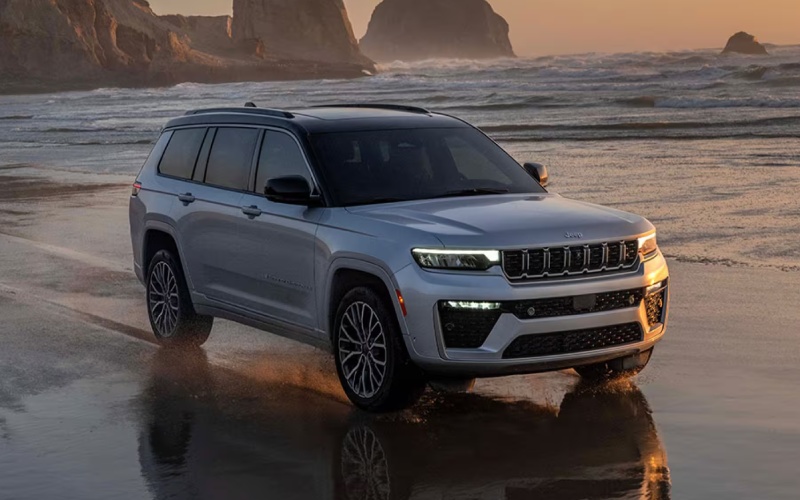
Beyond headline tow ratings, towing confidence is about the full ecosystem: drivetrain strength, suspension control, stability and visibility tech, and how well the vehicle manages the stop-and-go rhythm of local routes. The Grand Cherokee brings a comprehensive package: available up to 6,200 pounds of towing capacity when properly equipped, three advanced available 4x4 systems for traction when pavement ends, and available Quadra-Lift® Air Suspension that can lower at speed for stability or rise for clearance on rutted access roads. The Passport is a capable two-row SUV with a sturdy V6 and the second-generation i-VTM4® AWD; it’s well-suited to lighter trailers and general use, particularly in TrailSport configurations with off-road-tuned suspension.
Where the Jeep® widens its lead is in how it helps you see, plan, and make smooth inputs. Available 360º Surround View Camera provides a bird’s-eye look at curbs and trailer angles, while the Digital Rearview Mirror keeps sightlines clear if cargo blocks the rear glass. On the highway, available Hands-Free Active Driving Assist can reduce fatigue on longer stints by managing speed and lane centering in appropriate conditions, so you arrive fresher before the tricky part—backing down a ramp or into a tight site.
Hitching up and backing down the ramp
Grand Cherokee’s available camera suite, including dynamic guidelines and surround views, helps line up to the coupler without multiple jump-outs, saving time and stress. The Passport’s available TrailWatch™ system shines off-pavement and is handy around obstacles, but it doesn’t offer a full 360-degree, top-down perspective; that extra perspective in the Jeep® can be the difference between a smooth one-and-done backup and a shuffle of small corrections on a crowded Saturday morning at the launch.
In addition, the Grand Cherokee’s chassis options—especially with Quadra-Lift®—help maintain composure when you transition from surface streets to freeway expansion joints or pull across uneven gravel. The air suspension’s ability to adjust ride height pairs nicely with the Selec-Terrain® system’s modes, so you can tailor throttle response and traction mapping if you leave pavement for a shoreline campsite.
Powertrains and long-haul confidence
The Jeep® engine lineup provides options that suit different towing and driving styles. The new 2.0L Hurricane 4 Turbo pairs robust torque with a next-generation transmission for crisp, predictable response when you need a decisive merge gap. If you prefer an electrified angle for weekday efficiency with weekend muscle, Grand Cherokee 4xe adds plug-in hybrid benefits and instant electric torque, underscoring that you don’t have to choose between capability and modern powertrain technology. The Passport’s V6 remains a solid, proven setup for daily commuting and occasional trailering, and it works well in varied temperatures and drive cycles—a good match for family duty that skews light-to-moderate towing.
Cabin tech that supports towing
The support systems you use most while towing often live in the cabin. The Grand Cherokee’s Uconnect® 5 NAV with a 12.3-inch touchscreen simplifies route planning, while the available Front Passenger Interactive Touchscreen Display lets your co-pilot search for fuel, send updated directions to the main screen, or monitor cameras—no more leaning across the console. Add the optional Head-Up Display to keep key data right in your sightline, and the towing task list gets easier. The Passport offers user-friendly controls and Honda Sensing® driver assists as standard, but it doesn’t match Jeep® for available dual-screen front-row collaboration or a head-up display.
Which SUV should you choose?
If your plans include regular trailering—lake toys, yard projects, or camper weekends—the Grand Cherokee stacks more of the right tools in one place. That doesn’t diminish the Passport’s strengths: it’s rugged, predictable, and pleasantly straightforward to drive. But the Jeep® model’s available surround views, adjustable air suspension, broader 4x4 choices, and modern powertrain mix translate into easier prep, calmer cruising, and fewer surprises when space gets tight.
Frequently Asked Questions:
Can I tow with a plug-in hybrid like the Grand Cherokee 4xe?
Yes. The Grand Cherokee 4xe is engineered to tow and brings instant electric torque for confident low-speed maneuvering, while still offering the right hardware and cooling for weekend loads when properly equipped.
Does the Passport’s i-VTM4® help on wet ramps?
i-VTM4® is excellent at proactively sending torque to the wheel that can use it, which helps with slippery launches. Jeep® counters with multiple available 4x4 systems and Selec-Terrain® modes for the same situations, plus available air suspension to add clearance if the approach gets uneven.
Is a 360-degree camera really that helpful for towing?
Absolutely. A surround view can reveal curbs, dock pilings, or angled approaches that aren’t visible in side mirrors or a rear camera alone. It reduces guesswork and helps you steer more confidently in tight quarters.
When you’re ready to compare these SUVs in person, John Amato Chrysler Dodge Jeep Ram is serving Milwaukee, Shorewood, and Whitefish Bay with knowledgeable guidance and a selection of trims you can evaluate back to back. We’ll walk you through accessories, towing setup best practices, and the tech that makes each stage—from coupling to campsite—feel more composed.