


John Amato Jeep - Why the Overhead-Mounted Radar on the 2026 Jeep Wrangler Makes Sense for Glendale, WI Drivers
The 2026 Jeep Wrangler leans into technology that respects how owners actually use their SUVs. A prime example is the overhead-mounted radar for available Adaptive Cruise Control. Instead of tucking sensitive sensors behind the front bumper—where they can be blocked by steel bumpers, a winch, or trail grime—Wrangler places its front radar over the rearview mirror. For Glendale, WI drivers who swap between daily commutes, weekend projects, and off-pavement exploration, that’s a thoughtful solution with real benefits.
What is the benefit of overhead-mounted radar?
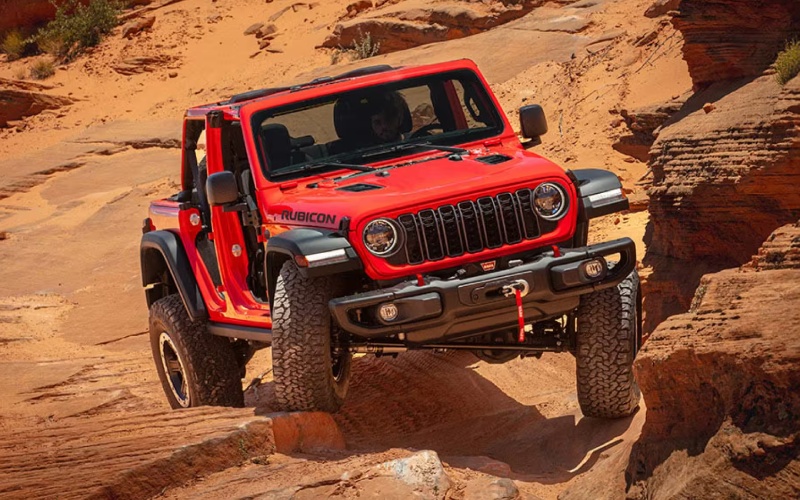
Mounting radar above the mirror keeps your bumper area free for gear. If you want a factory-installed or aftermarket winch, add front steel armor, or run a stouter fairlead, you won’t be forced to choose between equipment and driver assistance. It also keeps the sensor higher off the ground, making it less vulnerable to slush, road grime, or brush that can interfere with performance. Around Glendale’s urban streets—think Port Washington Rd and the Bayshore area—that means Adaptive Cruise Control remains usable even after a parking ramp session or a sloppy construction detour.
Off-road, the advantage is even clearer. When you’re picking a line on a rocky two-track, the last thing you want is a finicky sensor complaining about your bumper height or a trail flag obscuring a radar panel. By relocating the hardware, the Wrangler’s available Adaptive Cruise Control stays out of harm’s way without asking you to compromise your build.
How it pairs with Wrangler’s off-road hardware
This radar placement isn’t a standalone trick; it complements the Wrangler’s broader engineering. The available Rock-Trac 4x4 System, Tru-Lok electronic locking differentials, and an available 100:1 crawl ratio on certain Rubicon models make slow-speed precision more accessible. Pair that with 35-inch tire availability and a Best-in-Class available approach angle on 4-door models, and you’ve got a rig that respects low-and-slow control without taking driver assist options off the table.
For Glendale’s mix of lakefront boulevards and quick hops north toward quiet gravel cut-throughs, being able to outfit a WARN winch or steel bumper—then drive home with Adaptive Cruise Control active on I-43—strikes a great balance between trail readiness and metropolitan convenience.
Practical payoffs around Glendale, WI
Think about routine driving. On the Milwaukee River Parkway past Kletzsch Park, Adaptive Cruise Control helps relieve the on-off throttle motions in light traffic. In winter, elevated radar placement can be a plus when plow berms and spray coat the front end. And for garage parking at Bayshore, there’s less worry about bumpers nudging a sensor. These are small, day-to-day conveniences that add up for anyone who uses a Wrangler as both a daily driver and a weekend machine.
- Compatibility: Works with winch-capable steel bumpers without blocking sensors
- Uptime: Elevated mounting helps reduce interference from grit and grime
- Flexibility: Simplifies accessory choices and future upgrades
- Confidence: Lets you keep driver assistance features active more often
Accessorizing smartly
When you’re planning your build, look at upgrades that align with the Wrangler’s design philosophy. Winch mounts, front and rear steel bumpers, rock rails, and 35-inch tires are popular for a reason—they work with Wrangler’s geometry and drivetrain. Choosing a bumper and winch layout is noticeably simpler when you’re not working around bumper-embedded sensors. With the right setup, you can tour Glendale’s neighborhoods all week, then head for a trailhead without changing a thing.
Inside, tech keeps pace with the hardware. The available Uconnect 5 NAV system on a 12.3-inch touchscreen makes it easy to plan routes, manage media, and check vehicle settings. Wireless Apple CarPlay and Android Auto keep cords out of the cabin, and available LED lighting helps visibility when the sun drops on a backroad return to Glendale.
Frequently Asked Questions:
Will adding a winch interfere with Adaptive Cruise Control on the 2026 Jeep Wrangler?
The Wrangler’s radar for available Adaptive Cruise Control is mounted above the rearview mirror, not in the bumper. That design helps keep the system functional when you add a winch or steel bumper that might block traditional bumper-mounted sensors.
Do I need special calibration after installing a steel bumper?
Always follow accessory and installation guidelines. Because Wrangler avoids bumper-embedded radar for Adaptive Cruise Control, there’s typically less chance of sensor obstruction; however, your dealer can advise on best practices for alignment and system checks after any major accessory install.
How does the Wrangler balance off-road features with daily driving in Glendale?
Solid axles, selectable lockers, and available 35-inch tires complement road-friendly tech like Uconnect 5, wireless phone integration, and available LED lighting. The overhead radar placement helps ensure driver assists stay usable in day-to-day Glendale traffic even if your front bumper carries a winch.
Which Wrangler trims are best for adding armor and winches?
Rubicon and Rubicon X are popular choices thanks to Rock-Trac 4x4, lockers, and available steel armor content. That said, Sport, Sport S, Willys, and Sahara can also be accessorized—your priorities for gears, tires, and travel will help determine the right starting point.
Ultimately, the overhead-mounted radar is a thoughtful detail that preserves the Wrangler’s build-friendly front end and keeps your driver assistance options in play. It’s smart design for real-world owners—especially those who split their time between Glendale streets and backroad adventures. If you want guidance tailoring this setup to your driving around the North Shore and beyond, our team is happy to help—John Amato Chrysler Dodge Jeep Ram, proudly serving Wauwatosa, Glendale, and Milwaukee.